
Water plays a vital role in your dog’s health. Proper hydration supports digestion, circulation, temperature regulation, joint function, and overall wellbeing. While most dogs naturally drink enough water throughout the day, some may not consume adequate amounts, particularly during hot weather, illness, or periods of stress.
Recognising the early signs of dehydration can help prevent more serious health issues and ensure your dog remains healthy and comfortable.
Why Hydration Is Important
A dog’s body relies heavily on water to function properly.
Water helps:
- Regulate body temperature
- Transport nutrients
- Support organ function
- Aid digestion
- Maintain healthy joints
Even mild dehydration can affect your dog’s energy levels and overall health.
Here are five common signs that your dog may not be drinking enough water.
1. Dry or Sticky Gums
One of the easiest ways to check hydration levels is by examining your dog’s gums.
Healthy gums should feel moist and slippery. If your dog’s gums appear dry, sticky, or tacky, it may indicate dehydration.
You can gently lift your dog’s lip and touch the gums to assess their moisture levels.
If dryness persists, encourage water intake and monitor for additional symptoms.
2. Reduced Energy Levels
Dogs that aren’t drinking enough water may appear tired or less active than usual.
Dehydration can affect circulation and body function, resulting in:
- Lethargy
- Reduced enthusiasm
- Increased sleeping
- Lower exercise tolerance
If your normally energetic dog suddenly seems sluggish, hydration may be a contributing factor.
3. Excessive Panting
Panting helps dogs regulate body temperature, particularly during warm weather.
However, excessive panting can sometimes indicate dehydration.
When dogs lose fluids through panting without replacing them through drinking, dehydration can develop quickly.
Ensure fresh water is always available, especially during hot days or after exercise.
4. Loss of Skin Elasticity
A common way veterinarians assess hydration is through a simple skin elasticity test.
Gently lift a small amount of skin between your dog’s shoulders and release it.
In a well-hydrated dog, the skin should quickly return to its normal position.
If the skin remains tented or returns slowly, dehydration may be present.
This test should not replace professional veterinary advice but can provide a useful indication.
5. Dark Yellow Urine
Your dog’s urine can provide important clues about hydration.
Well-hydrated dogs typically produce pale yellow urine.
Signs of potential dehydration include:
- Dark yellow urine
- Strong odour
- Reduced urination frequency
Monitoring your dog’s bathroom habits can help identify hydration concerns early.
How Much Water Does a Dog Need?
While individual needs vary, a general guideline is that dogs require approximately 50 to 60 millilitres of water per kilogram of body weight each day.
Factors that can increase water requirements include:
- Hot weather
- Exercise
- Pregnancy
- Illness
- Certain medications
Always ensure clean, fresh water is available.
Tips to Encourage Water Intake
If your dog isn’t drinking enough water, try:
- Providing multiple water bowls
- Refreshing water regularly
- Adding water to meals
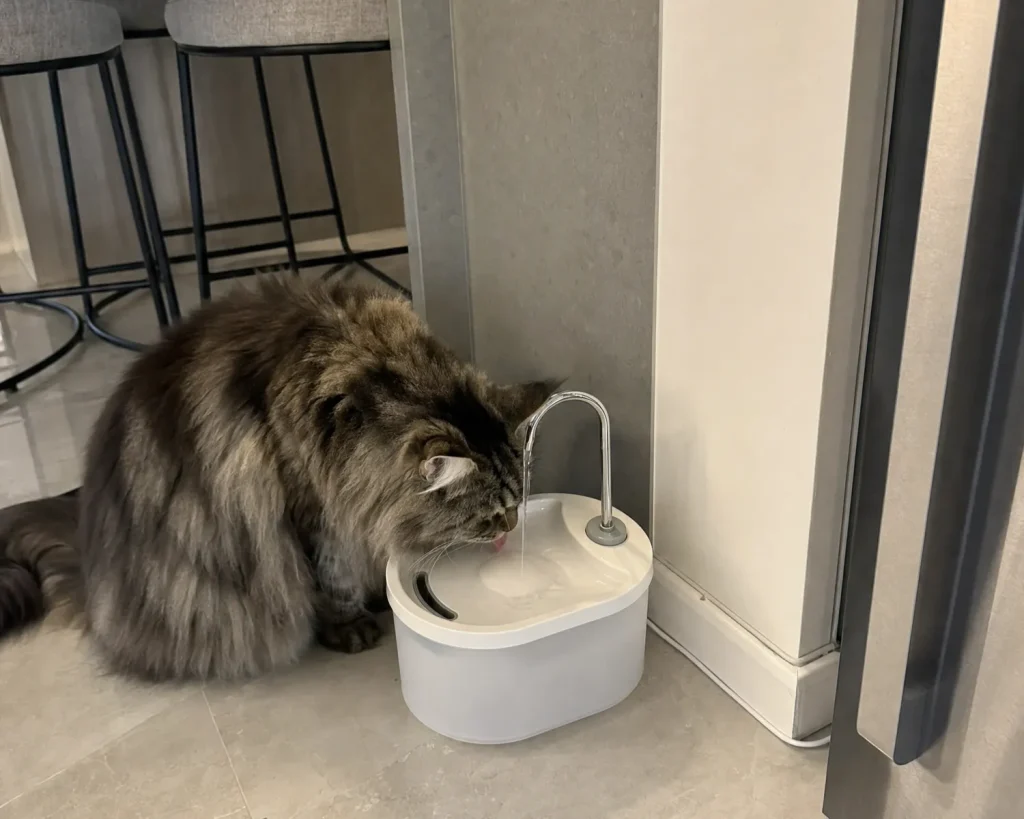
- Using pet fountains
- Bringing water on walks
Many dogs are more likely to drink when water is fresh and easily accessible.
When to Contact a Veterinarian
If your dog shows signs of dehydration, refuses water, vomits frequently, or appears unwell, contact your veterinarian promptly.
Severe dehydration can become a medical emergency and may require professional treatment.
Final Thoughts
Hydration is essential for your dog’s health and wellbeing. By recognising common signs such as dry gums, lethargy, excessive panting, poor skin elasticity, and dark urine, you can identify potential issues before they become serious.
Ensuring your dog always has access to fresh water and monitoring their drinking habits can help keep them healthy, active, and comfortable throughout the year.